The pineapple tree belongs to the Bromeliaceae family. The edible part of the pineapple fruit (60% of the fresh fruit) has a moisture content of 85%.
Pineapple is largely consumed around the world as canned pineapple slices, chunk and dice, pineapple juice, fruit salads, sugar syrup, alcohol, citric acid, pineapple chips and pineapple puree. Pasteurized pineapple juice is one of the most important pineapple commodities.
The pineapple juice is processed by many advanced processing techniques to reduce bacterial contamination with improved shelf life and preservation of antioxidant compounds, vitamins, and minerals.
Steps production of pineapple juice:
*Receiving of pineapple
*Sorting: removing the crown and leaves
*Washing with water
*Peeling
*Cutting
*Juice extraction
*Juice filtration
*Juice pasteurization: Fresh juice is boiled at 80°C for 30 s
*Cooling
Pineapple juice is often recovered from the ejected skins and cores from the machines which cut the pineapple in preparation for canning.
Pineapple juice can be obtained with an extraction machine only, or, in addition, enzymes can be used to increase the yield and the juice recovery from the pineapple pulp or residue.
The juice contains up to 40% pulp. The pulp content is reduced, usually by finishing with a screw-type finisher followed by centrifugation, before pasteurizations and concentration.
Pineapple juice processing
The liquid naturally present in the tissues of fruits is known as fruit juice. To obtain fruit juice, mechanical techniques like squeezing or macerating fresh fruits are employed, excluding the use of heat or solvents. Individuals commonly drink fruit juices due to their perceived health benefits.
Showing posts with label juice. Show all posts
Friday, October 29, 2021
Sunday, August 18, 2019
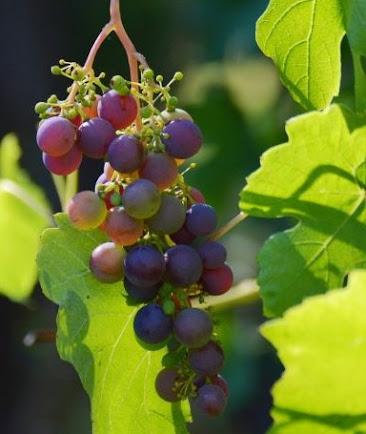
Concord grapes for juicing
Grape juice world production is estimated to be between 11 and 12
million hectolitres, where the main producing and consuming countries of
this beverage are the United States of America, Brazil and Spain. In
the United States, the main cultivars used for juice production are
mainly Concord and cultivars.
The Concord grape is a distinctive dark purple grape variety grown with expertise and care by Welch’s family-farmer owners in select regions across North America. It is a sweet and boldly delicious grape, perfect for creating flavorful 100% juices, as well as fruit juice-containing beverages and dairy products. Grapes are one of the richest sources of phenolic compounds among fruits. Therefore, grape juices have been broadly studied due to their composition in phenolic compounds and their potential beneficial effects on human health, specifically the ability to prevent various diseases associated with oxidative stress, including cancers, cardiovascular and neurodegenerative diseases.
Concord grape juice is a nutrition powerhouse, delivering more polyphenols than most other commonly consumed juices. Consumption of Concord grape juice, as part of a produce-rich diet, can positively impact health. Mostly attributed to polyphenols–natural source of nutrients that support health:
*Found in skins and seeds of Concord grapes
*Give grapes their color
*Naturally function as antioxidants to protect against too many free radicals
*Have other important health-promoting effect. Flavonoids are the largest and most studied sub-group of polyphenols.
In Concord grapes, flavonoids are particularly found in the skins and
seeds. The skin has a high concentration of a class of flavonoids called
anthocyanins, while the seeds contain flavanols, including
proanthocyanidins.
Concord grapes for juicing
The Concord grape is a distinctive dark purple grape variety grown with expertise and care by Welch’s family-farmer owners in select regions across North America. It is a sweet and boldly delicious grape, perfect for creating flavorful 100% juices, as well as fruit juice-containing beverages and dairy products. Grapes are one of the richest sources of phenolic compounds among fruits. Therefore, grape juices have been broadly studied due to their composition in phenolic compounds and their potential beneficial effects on human health, specifically the ability to prevent various diseases associated with oxidative stress, including cancers, cardiovascular and neurodegenerative diseases.
Concord grape juice is a nutrition powerhouse, delivering more polyphenols than most other commonly consumed juices. Consumption of Concord grape juice, as part of a produce-rich diet, can positively impact health. Mostly attributed to polyphenols–natural source of nutrients that support health:
*Found in skins and seeds of Concord grapes
*Give grapes their color
*Naturally function as antioxidants to protect against too many free radicals
*Have other important health-promoting effect. Flavonoids are the largest and most studied sub-group of polyphenols.
Concord grapes for juicing
Sunday, July 15, 2018
Bilberry juice
Bilberries are abundant in polyphenols. Dietary polyphenols have been associated with strategies for prevention and treatment of chronic inflammatory diseases.
Many studies have demonstrated 4 week or longer supplementation of blueberry juice or bilberry extract are able to lower oxidative DNA damage in human. The results showed both juice and fresh fruit of blueberry/bilberry contributed to the protection on peripheral leucocytes in a very short time frame. Asian Food Science Journal 2(1): 1-7, 2018; Article no.AFSJ.41223
Bilberry contains a variety of phenolic compounds, including flavonols (quercetin, catechins), tannins, ellagitannins, and phenolic acids, but anthocyanins make by far the largest contribution to its phytochemical mix.
The flavonol-O-glycosides in fresh bilberry juice and fruit include quercetin-3-rhamnoside (quercitrin), quercetin-3-glucoside (isoquercitrin), quercetin-3-galactoside (hyperoside), and kaempferol-3-glucoside (astragalin).
The following phenolic acids have been identified in fresh bilberry juice and unripe fruit: gallic, protocatechuic, m-and p-hydroxybenzoic, vanillic, chlorogenic, caffeic, syringic, o- m-, and p-coumaric, ferulic, and syringic acids.
Bilberry juice
Many studies have demonstrated 4 week or longer supplementation of blueberry juice or bilberry extract are able to lower oxidative DNA damage in human. The results showed both juice and fresh fruit of blueberry/bilberry contributed to the protection on peripheral leucocytes in a very short time frame. Asian Food Science Journal 2(1): 1-7, 2018; Article no.AFSJ.41223Bilberry contains a variety of phenolic compounds, including flavonols (quercetin, catechins), tannins, ellagitannins, and phenolic acids, but anthocyanins make by far the largest contribution to its phytochemical mix.
The flavonol-O-glycosides in fresh bilberry juice and fruit include quercetin-3-rhamnoside (quercitrin), quercetin-3-glucoside (isoquercitrin), quercetin-3-galactoside (hyperoside), and kaempferol-3-glucoside (astragalin).
The following phenolic acids have been identified in fresh bilberry juice and unripe fruit: gallic, protocatechuic, m-and p-hydroxybenzoic, vanillic, chlorogenic, caffeic, syringic, o- m-, and p-coumaric, ferulic, and syringic acids.
Bilberry juice
Labels:
bilberry juice,
juice
Thursday, March 31, 2016
Lemonade drink
It is average almost as widely consumed as soda water throughout all parts of the United States.
Lemonade in its simplest form is a drink made from lemon juice, sugar and water. The water which is employed may be either plain, potable water or sometimes water impregnated with carbon dioxide.
The lemon juice which is used in lemonade contains not only the acid citrate of potash as its acidifying agent, but also the aromatic flavors, consisting of oil, ethers, etc., characteristic of the lemon itself.
Lemons offer a wide range of health benefits. They have antibacterial, antiviral and immunity-boosting abilities. Lemonades antibacterial properties help fight infection in the throat and get rid of chest congestion. Its high levels of potassium can help provide relief from dizziness, nausea, and fever.
Its vitamin C content not only fights cancer but also boosts immunity by increasing the body’s white blood cell count, antibodies and interferon.
Lemonade is appreciated primarily as a pleasurable and refreshing beverage, but it has also long been valued for its healthful qualities.
Lemonade drink
Lemonade in its simplest form is a drink made from lemon juice, sugar and water. The water which is employed may be either plain, potable water or sometimes water impregnated with carbon dioxide.
The lemon juice which is used in lemonade contains not only the acid citrate of potash as its acidifying agent, but also the aromatic flavors, consisting of oil, ethers, etc., characteristic of the lemon itself.
Lemons offer a wide range of health benefits. They have antibacterial, antiviral and immunity-boosting abilities. Lemonades antibacterial properties help fight infection in the throat and get rid of chest congestion. Its high levels of potassium can help provide relief from dizziness, nausea, and fever.
Its vitamin C content not only fights cancer but also boosts immunity by increasing the body’s white blood cell count, antibodies and interferon.
Lemonade is appreciated primarily as a pleasurable and refreshing beverage, but it has also long been valued for its healthful qualities.
Lemonade drink
Labels:
health,
ingredient,
juice,
lemonade
Monday, November 30, 2015
Acerola juice
Acerola is one of the few native North American plants that are cultivated for fruit on a major scale. It is widely cultivated in a commercial scale in the tropics for fresh fruit and juice. Acerola is a tropical fruit with a high antioxidant activity which may be attributed to its high vitamin C and anthocyanins content.
Acerola is commonly used for extraction of juice. The juice is extracted by breaking fruits into a mash by means of a high-speed stirrer before squeezing in a cider press. The juice obtained is clarified by centrifugation, followed by filtration and pasteurization in a tubular heat exchanger atr 88 ° C for 45 second.
Concentrated acerola juice is suitable for freezing or further processing into dry powders. The concentrated juice, while maintaining some of the properties of fresh fruits, must be frozen or further processed to prevent spoilage and nutritional degradation.
Acerola juice contains nearly 40 times more vitamin C than orange juice.
Acerola juice
Acerola is commonly used for extraction of juice. The juice is extracted by breaking fruits into a mash by means of a high-speed stirrer before squeezing in a cider press. The juice obtained is clarified by centrifugation, followed by filtration and pasteurization in a tubular heat exchanger atr 88 ° C for 45 second.
Concentrated acerola juice is suitable for freezing or further processing into dry powders. The concentrated juice, while maintaining some of the properties of fresh fruits, must be frozen or further processed to prevent spoilage and nutritional degradation.
Acerola juice contains nearly 40 times more vitamin C than orange juice.
Acerola juice
Labels:
acerola,
antioxidant,
juice,
vitamin C
Tuesday, March 17, 2015
Nutmeg juice and health benefits
Nutmeg is an aromatic spice that is available whole as a nut, which s grated or ground. Nutmeg can be used for flatulence, nausea, vomiting and to improve digestion. Nutmeg is high in fiber and manganese, which are catalyst for breaking down fats and cholesterol – an important process for weight loss.
Nutmeg is cut and blended. The juice will give an ultimately refreshing and spicy of sweetness.
It can also be added to drinks last thing at night to stimulate good sleep. Nutmeg complements apple and pear juice particularly well and is also a tasty addition to drinks containing bananas.
During the ancient times, Roman and Greek civilizations used nutmegs as a type of brain tonic. This is because nutmeg can effectively stimulate human brain, As a result, it can help eliminate fatique and stress.
Nutmeg juice and health benefits
Nutmeg is cut and blended. The juice will give an ultimately refreshing and spicy of sweetness.
It can also be added to drinks last thing at night to stimulate good sleep. Nutmeg complements apple and pear juice particularly well and is also a tasty addition to drinks containing bananas.
During the ancient times, Roman and Greek civilizations used nutmegs as a type of brain tonic. This is because nutmeg can effectively stimulate human brain, As a result, it can help eliminate fatique and stress.
Nutmeg juice and health benefits
Friday, December 05, 2014
Nutmeg juice
This sweet spice is high in fiber and manganese, which are catalysts for breaking down fats and cholesterol.
Two of the spices that Columbus was looking for when he stumbled upon Caribbean, nutmeg and mace are from the same tree.
The nutmeg is the seed and the mace is the lacy aril that covers it. The nutmeg tree Myristica fragrans is the native to the Moluccas in Indonesia and is also cultivated in Grenada in the W. Indies.
During ancient Greece and Roma nutmeg juice was used as a brain tonic to help eliminate stress and fatigue.
Nutmeg also been shown to help relive indigestion, to improve bad breath and to enhance relaxation to encourage sleep.
Nutmeg juice
Two of the spices that Columbus was looking for when he stumbled upon Caribbean, nutmeg and mace are from the same tree.
The nutmeg is the seed and the mace is the lacy aril that covers it. The nutmeg tree Myristica fragrans is the native to the Moluccas in Indonesia and is also cultivated in Grenada in the W. Indies.
During ancient Greece and Roma nutmeg juice was used as a brain tonic to help eliminate stress and fatigue.
Nutmeg also been shown to help relive indigestion, to improve bad breath and to enhance relaxation to encourage sleep.
Nutmeg juice
Tuesday, August 12, 2014
Health benefits of drinking raisin juice
Raisins are believed to date back to around 1500 BC. Muscat, oversized raisins with tiny seeds, were grown in Southern Spain, and farmers in Greece grew tiny seedless, tangy raisin called currants.
Raisins have a rich natural color. The juice is often added to frozen dairy desserts and baked goods as a color-enhancer or food coloring.
Raisin juice and raisin paste are used in a variety of sauces such as pasta, barbecue, and steak sauces to boost their flavor.
The phytonutrient content and health benefits of raisin are believed to be similar to grapes. Raisin juice is a rapid revitalizer and well recognized as a beneficial restorative in cases of anemia and low vitality.
Raisin juice is also recommended for the relief of sore throat, catarrh and asthma. It is good for the complexion and excellent in cases of diarrhea and feverishness.
Raisin juice is a natural sweetener that contains no preservatives, has a lower caloric content than sucrose, and includes a number of important vitamins and minerals that are very important for people with celiac disease.
Health benefits of drinking raisin juice
Raisins have a rich natural color. The juice is often added to frozen dairy desserts and baked goods as a color-enhancer or food coloring.
Raisin juice and raisin paste are used in a variety of sauces such as pasta, barbecue, and steak sauces to boost their flavor.
The phytonutrient content and health benefits of raisin are believed to be similar to grapes. Raisin juice is a rapid revitalizer and well recognized as a beneficial restorative in cases of anemia and low vitality.
Raisin juice is also recommended for the relief of sore throat, catarrh and asthma. It is good for the complexion and excellent in cases of diarrhea and feverishness.
Raisin juice is a natural sweetener that contains no preservatives, has a lower caloric content than sucrose, and includes a number of important vitamins and minerals that are very important for people with celiac disease.
Health benefits of drinking raisin juice
Labels:
grape juice,
health,
juice,
raisins
Monday, July 07, 2014
Bearberry and health benefits
The small, white flowers yield a red berry that is smooth and somewhat mealy and bland-tasting.
Tannins present in some of the berries account for this acrid taste; cooking destroys the tannins and improves the flavor. Bearberry is reported to contain mainly hydroquinone derivatives, tannins, flavonoids, triterpenes and phenolcarboxylic acid.
Bearberry is used for conditions of fluid retention and for septic care of the urinary tract. Traditionally, the astringent leaves have been used in the treatment of bladder infections and afflictions of the urinary tract.
Taking as much as fresh and organic bearberry juice as possible will help in reducing the kidney infection and preventing the kidneys from getting damaged as well.
Bearberry may protect the uterus and strengthen heart muscle. It is not recommended for pregnant or lactating women or for children.
Bearberry has been called by several names, including foxberry, bear’s grape, crowberry, hogberry and uva-ursi.
Bearberry and health benefits
Tannins present in some of the berries account for this acrid taste; cooking destroys the tannins and improves the flavor. Bearberry is reported to contain mainly hydroquinone derivatives, tannins, flavonoids, triterpenes and phenolcarboxylic acid.
Bearberry is used for conditions of fluid retention and for septic care of the urinary tract. Traditionally, the astringent leaves have been used in the treatment of bladder infections and afflictions of the urinary tract.
Taking as much as fresh and organic bearberry juice as possible will help in reducing the kidney infection and preventing the kidneys from getting damaged as well.
Bearberry may protect the uterus and strengthen heart muscle. It is not recommended for pregnant or lactating women or for children.
Bearberry has been called by several names, including foxberry, bear’s grape, crowberry, hogberry and uva-ursi.
Bearberry and health benefits
Labels:
bearberry,
health benefits,
juice,
tea
Wednesday, August 07, 2013
Apricot juice health benefits
Apricots (Prunus armeniaca) are categorized under ‘stone fruits’ along with peaches, plums, almonds and cherries, due to its seed being enclosed in a hard stone like endocarp.
Apricot fruit is rich in beta carotene, vitamin C, papain, calcium, magnesium, phosphorus, potassium, molybdenum and flavonoids.
Apricot juice is also rich in iron and silicon. It is excellent antioxidant, cleanser and immune system booster. They also benefits the skin, heart muscles and nerve tissue.
It is an excellent juice to help build up red blood corpuscle. It has been used to cure skin allergies, anemia, asthma, bronchitis, diarrhea, insomnia, liver ailments, headache, jaundice, sore throat and rheumatism.
Apricot juice and puree are used mainly in baby foods.
Apricots do not have much juice, so must be mixed with another juice or diluted with water or lemon juice.
Apricot juice health benefits
Apricot fruit is rich in beta carotene, vitamin C, papain, calcium, magnesium, phosphorus, potassium, molybdenum and flavonoids.
Apricot juice is also rich in iron and silicon. It is excellent antioxidant, cleanser and immune system booster. They also benefits the skin, heart muscles and nerve tissue.
It is an excellent juice to help build up red blood corpuscle. It has been used to cure skin allergies, anemia, asthma, bronchitis, diarrhea, insomnia, liver ailments, headache, jaundice, sore throat and rheumatism.
Apricot juice and puree are used mainly in baby foods.
Apricots do not have much juice, so must be mixed with another juice or diluted with water or lemon juice.
Apricot juice health benefits
Labels:
apricot juice,
juice
Wednesday, August 15, 2012
Grapefruit juice
Grapefruit juice is a beverage often consumed at breakfast for its health benefits and to mask the taste of drugs or foods.
Fresh grapefruit juice will produce a light sweat and relieve a sore throat. The pink and red varieties are more sweet and generally less acidic than white grapefruits.
Grapefruit juice is rich in vitamin C, and in the minerals calcium, phosphorus and potassium.
An 8 oz serving of grapefruit juice contains fewer than 100 cal and has the same amount of vitamin C as orange juice. (72 mg).
One serving also provides approx 300 mg of potassium.
Grapefruit juice give the people needed vitamin C the natural way – in combination with other vitamins and minerals, natural fruit sugars, healthy alkalinity and additional health benefits.
According to Agricultural and Food Chemistry, red grapefruit might help lower levels of LDL cholesterol.
For pregnant women, grapefruit juice have the bioflavonoids and vitamin C that give strength to capillary walls that are taxed by fluid retention and swelling which are common during pregnancy.
Fresh grapefruit juice will produce a light sweat and relieve a sore throat. The pink and red varieties are more sweet and generally less acidic than white grapefruits.
Grapefruit juice is rich in vitamin C, and in the minerals calcium, phosphorus and potassium.
An 8 oz serving of grapefruit juice contains fewer than 100 cal and has the same amount of vitamin C as orange juice. (72 mg).
One serving also provides approx 300 mg of potassium.
Grapefruit juice give the people needed vitamin C the natural way – in combination with other vitamins and minerals, natural fruit sugars, healthy alkalinity and additional health benefits.
According to Agricultural and Food Chemistry, red grapefruit might help lower levels of LDL cholesterol.
For pregnant women, grapefruit juice have the bioflavonoids and vitamin C that give strength to capillary walls that are taxed by fluid retention and swelling which are common during pregnancy.
Grapefruit juice
Labels:
grapefruit,
juice
Friday, July 06, 2012
Health Advantages of Juice
Nothing is more nutritious than juice. The benefit of juice is that it is comparable to fresh fruit in terms of the nutrients it provides. Also it is sometimes easier for a child to drink juice that its is to eat fruit.
Drinking fresh fruit and vegetable juice, drinking something tastes great and is nutritious is benefit enough.
Raw juice, when extracted from originally grown fresh vegetables and fruits, provides the easiest way to the body to ingest a high percentage of the vitamins and minerals found in these foods.
Raw juice fats are great for losing weight and for cleansing the organs, cells and tissues of the body.
Juices have an effective cleansing effect and also have the additional benefit of providing enzymes for detoxification that our stressed livers may require in extra amounts.
The concentration of pounds of valuable foods into a single glass of juice maximize digestion and is the major benefit of fresh of squeezed juice.
For optimal benefits the juice must be prepared fresh daily.
Drinking fresh fruit and vegetable juice, drinking something tastes great and is nutritious is benefit enough.
Raw juice, when extracted from originally grown fresh vegetables and fruits, provides the easiest way to the body to ingest a high percentage of the vitamins and minerals found in these foods.
Raw juice fats are great for losing weight and for cleansing the organs, cells and tissues of the body.
Juices have an effective cleansing effect and also have the additional benefit of providing enzymes for detoxification that our stressed livers may require in extra amounts.
The concentration of pounds of valuable foods into a single glass of juice maximize digestion and is the major benefit of fresh of squeezed juice.
For optimal benefits the juice must be prepared fresh daily.
Health Advantages of Juice
Thursday, June 21, 2012
The Benefits of Juice
Many kids don't like eating fruit, so offering fruit juice is one way to get your child the 2 (for younger kids) to 4 servings (older kids) of fruit that is recommended in the Food Pyramid Guide.
Raw juice helps in detoxifying the body. Juice can be taken at any hour during the day or night.
Antioxidants substances in juice may protect cells from the damage caused by unstable molecules known as free radicals.
They do this by interacting with and stabilizing free radicals, and in the process may prevent some of the damage that free radicals otherwise might cause.
Juice therapy is very effective, as it removes the flaws from the body from their roots. Unlike drugs, it has no side effects and is no know to damage any part of the body.
It is important to remember that the recommended servings of fruit juice are actually limits. Your child does not need to drink any fruit juice, especially if he is getting the Food Guide Pyramid's recommended servings of fruit by eating whole fruit.
Fruit juice can be helpful for children who are constipated and fruit juice diluted with fluoridated water is a good way to get your child fluoride if he doesn't like to drink plain water.
Ideally it is best to drink fresh squeezed fruit juices within twenty minutes after they are prepared. In addition, since juices contain such a potent mixture of predigested nutrients, it is best to drink them slowly, allowing the body time to savor and assimilate them.
The Benefits of Juice
Raw juice helps in detoxifying the body. Juice can be taken at any hour during the day or night.
Antioxidants substances in juice may protect cells from the damage caused by unstable molecules known as free radicals.
They do this by interacting with and stabilizing free radicals, and in the process may prevent some of the damage that free radicals otherwise might cause.
Juice therapy is very effective, as it removes the flaws from the body from their roots. Unlike drugs, it has no side effects and is no know to damage any part of the body.
It is important to remember that the recommended servings of fruit juice are actually limits. Your child does not need to drink any fruit juice, especially if he is getting the Food Guide Pyramid's recommended servings of fruit by eating whole fruit.
Fruit juice can be helpful for children who are constipated and fruit juice diluted with fluoridated water is a good way to get your child fluoride if he doesn't like to drink plain water.
Ideally it is best to drink fresh squeezed fruit juices within twenty minutes after they are prepared. In addition, since juices contain such a potent mixture of predigested nutrients, it is best to drink them slowly, allowing the body time to savor and assimilate them.
The Benefits of Juice
Tuesday, January 03, 2012
Mulberry Juice
Mulberries are unusual berries – unusual taste, unusual in the quality of the juice.
A ripe mulberry is soft and easily damage. Its purple juice stains the face and hands of the eater.
Mulberry juice is the greatest thing in coating the stomach wall when we have a stomach ulcer. It is the greatest thing for taking care of mucous membranes in that stomach wall.
Mulberry are fruits of Asian origins. The white mulberry is native to the central and eastern mountains of China.
The black mulberry may have originated in the mountains of Nepal.
The fresh fruit is traditionally consumed. In recent years, mulberry fruit juice has been commercially produced as a healthy beverage, and become very popular in China.
Without adding preservatives, the juice of the mulberry fruit can be kept fresh under cold storage for three months, while the beverage can be kept fresh at ambient temperature for 12 months.
Mulberry Juice
A ripe mulberry is soft and easily damage. Its purple juice stains the face and hands of the eater.
Mulberry juice is the greatest thing in coating the stomach wall when we have a stomach ulcer. It is the greatest thing for taking care of mucous membranes in that stomach wall.
Mulberry are fruits of Asian origins. The white mulberry is native to the central and eastern mountains of China.
The black mulberry may have originated in the mountains of Nepal.
The fresh fruit is traditionally consumed. In recent years, mulberry fruit juice has been commercially produced as a healthy beverage, and become very popular in China.
Without adding preservatives, the juice of the mulberry fruit can be kept fresh under cold storage for three months, while the beverage can be kept fresh at ambient temperature for 12 months.
Mulberry Juice
Wednesday, December 15, 2010
Mangosteen Juice
Mangosteen juice is made from a tropical fruit that many views as particularly exquisite.
Mangosteen juice are popular and tasty. As a way to increase consumption of fruits and vegetables, they can be highly recommended, For whatever reasons, mangosteen is also being touted as having specific healing properties.
When you drink mangosteen juice you can improve your health by:
*Keeping digestive system healthy -
*Fighting microbes – mangosteen xanthones contain antioxidant, anti inflammatory, anti bacterial, anti tumor, anti-rival, anti allergy and anti microbial properties.
*Lowering cholesterol
*Fighting cancer – also it shows strong potential for treatment of tuberculosis and leukemia.
*Caring for skin – Almost all Asian countries is using for eczema and skin disorders.
*Alleviating allergies
By drinking mangosteen juice it can give us a powerhouse of tannins, catechins and xanthones that needed to arm the our body with enough antioxidants to help minimize the free radicals waging cellular combat inside our bodies.
Mangosteen Juice
Mangosteen juice are popular and tasty. As a way to increase consumption of fruits and vegetables, they can be highly recommended, For whatever reasons, mangosteen is also being touted as having specific healing properties.
When you drink mangosteen juice you can improve your health by:
*Keeping digestive system healthy -
*Fighting microbes – mangosteen xanthones contain antioxidant, anti inflammatory, anti bacterial, anti tumor, anti-rival, anti allergy and anti microbial properties.
*Lowering cholesterol
*Fighting cancer – also it shows strong potential for treatment of tuberculosis and leukemia.
*Caring for skin – Almost all Asian countries is using for eczema and skin disorders.
*Alleviating allergies
By drinking mangosteen juice it can give us a powerhouse of tannins, catechins and xanthones that needed to arm the our body with enough antioxidants to help minimize the free radicals waging cellular combat inside our bodies.
Mangosteen Juice
Labels:
juice,
mangosteen
Sunday, October 03, 2010
Extraction of Fruit Juice
Global fruit juice sales hit the 54 billion liter (BnL) mark in 2007 and are forecast to rise 15% by 2011 to 62 bnl.
Western European currently consume an average of 31 L of juice a year per capita. Juice is growing fast in Eastern Europeans (18 L are consumed annually per capita in Russia) as well as in India and China.
The extraction of juice from fruit is an ancient art dating from the earliest of records where wine is often mentioned.
Fermentation of fruit juice so the alcohol content preserved the fermented juice was one of the earliest forms of food preservation by the human species.
Preserved fruit juices keep their fresh taste and attractive color as long as they are not heated for too long or at too high a temperature. Prolonged boiling or heating changes the taste except with tomato and apricot juice.
Manufacturer of fruit juice has progressed from the farm or cottage industry into the efficient technology of modern food processing with the rapid changes in most technologies.
Throughout the temperature area of the world, fruits used for the major quantities of juices are citrus, pome and grape or vine fruits.
Hand picked fruit is generally of good quality and needs little pre-press treatment, but the growth of automatic harvesting, particularly with apples, creates may new problems of debris and dirt such as leaves stones and twigs, all of which need to be removed prior to pulping.
Methods of extracting fruit juices are dependent upon the structure and edible portion of the fruit.
Preservation methods include thermal treatments, freezing, chilling, concentration and for some clear juices, fine filtration.
Juice may taken apart by removing volatile flavour components, water, bitterness and acidity and then recombined to produce a consistent product. Fruit derived bases may be manufactured from the remaining fruit material after the juice has been extracted.
Pasteurization is often required to stabilize the product by removing microorganisms that could produce fermentation and/or spoilage, affecting clarity, taste and shelf life.
Labels:
extraction,
fruit,
juice,
processing
Monday, August 09, 2010
Enzymes in Fruit Juices
Fresh juices are chock full of enzymes – those “living” molecules that work, often with vitamins and minerals, to speed up reactions necessary for the human body to function.
Without enzymes, we would not have life in our cells.
Enzymes are prevalent in raw foods, but heat such as cooking or pasteurization, destroys them.
Fresh fruit juice contains enzymes that help break down food in the digestive tract, thereby sparing the body’s digestive system from overwork.
This sparring action is known as the “law of adaptive secretion of digestive enzymes.”
According to this law, of some of the food you eat is digested by enzymes from the food itself, the body will secrete less of its own enzymes.
This allows the body’s energy to be shifted from digestion to other functions such as repair and rejuvenation.
Fresh fruit juices require very little energy expenditure to digest. And that is one that their energy levels increase.
Enzymes in Fruit Juices
Fresh juices are chock full of enzymes – those “living” molecules that work, often with vitamins and minerals, to speed up reactions necessary for the human body to function.
Without enzymes, we would not have life in our cells.
Enzymes are prevalent in raw foods, but heat such as cooking or pasteurization, destroys them.
Fresh fruit juice contains enzymes that help break down food in the digestive tract, thereby sparing the body’s digestive system from overwork.
This sparring action is known as the “law of adaptive secretion of digestive enzymes.”
According to this law, of some of the food you eat is digested by enzymes from the food itself, the body will secrete less of its own enzymes.
This allows the body’s energy to be shifted from digestion to other functions such as repair and rejuvenation.
Fresh fruit juices require very little energy expenditure to digest. And that is one that their energy levels increase.
Enzymes in Fruit Juices
Friday, February 26, 2010
Cherry Juice
Cherry Juice
Fresh cherry juice, though more time consuming to make than apple juice, is well worth the effort. By using a cherry pitter and running pitted cherries though a juicer, you can make one o the best tasting and most healthful fresh juices there is.
However, since cherry juice is quite rich, it is best to mix it with equal parts of apple juice, water or another fresh fruit juice.
Fresh cherry juice is especially rich in vitamins A, abs C. It also contains vitamins B1, B2, folic acid and niacin.
Minerals in cherry juice include calcium, cobalt, fluorine, iron, magnesium, phosphorus and potassium.
Fresh cherry juice is a powerful alkalizer and therefore reduce the acidity of the blood.
For this reason, it is especially effective in cases of gout and arthritis. Cherry juice is also effective in normalizing prostatic disorders.
Cherry Juice
Fresh cherry juice, though more time consuming to make than apple juice, is well worth the effort. By using a cherry pitter and running pitted cherries though a juicer, you can make one o the best tasting and most healthful fresh juices there is.
Fresh cherry juice is especially rich in vitamins A, abs C. It also contains vitamins B1, B2, folic acid and niacin.
Minerals in cherry juice include calcium, cobalt, fluorine, iron, magnesium, phosphorus and potassium.
Fresh cherry juice is a powerful alkalizer and therefore reduce the acidity of the blood.
For this reason, it is especially effective in cases of gout and arthritis. Cherry juice is also effective in normalizing prostatic disorders.
Cherry Juice
Monday, October 26, 2009
Fruit Juice Processing
Most juices are derived from fleshy fruits and these may be conveniently subdivided for processing into three categories.
*Fruits which are pulped and their juices removed by pressing, e.g., apple, berry fruits
*Fruits requiring the use of specialized extraction equipment, e.g., citrus fruits, pineapples
*Fruits requiring heat treatment before processing, e.g., tomatoes, stone fruits
In most large fruit processing operations the plant is usually dedicated to one type of fruit.
Citrus fruits are unusual because the outer skin or flavedo is rich in essential oils and other tissues such as the albedo or carpellary membranes contain substances that give rise to bitter flavors.
The processing of citrus typical involves separation of these various components as an important principle and for certain products such as comminuted bases, the various components are recombined in different proportions.
The flesh of stone fruits is separated from the stones or pits, not only to facilitate ease of handling, but also because the stones are further processed to obtain both fixed oils and glycosides.
Fixed oils, such as those from peach, have application in the cosmetics industry and glycosides may be used as a source of other natural flavoring ingredients such as benzaldehyde.
Another important aspect of the processing of fruit is the presence of pectins. These substances contribute it the viscosity of fruit juices and assist in the suspension of colloidal material and tissue fragments that make up its cloud.
When most fruits are pressed, pectolytic enzymes are released and these will of not destroyed, clarify and or cause gelling of the juice.
Rapid initial processing of freshly pressed juice is therefore an important factor in determining whether cloudy juice is obtained (in which case the enzymes must be destroyed by pasteurization to at least 95 degree C) or clear juice, in which case enzymes are allowed to act and may be enhanced by the addition of synthetic enzymes on further quantity.
Fruit Juice Processing
Most juices are derived from fleshy fruits and these may be conveniently subdivided for processing into three categories.
*Fruits which are pulped and their juices removed by pressing, e.g., apple, berry fruits
*Fruits requiring the use of specialized extraction equipment, e.g., citrus fruits, pineapples
*Fruits requiring heat treatment before processing, e.g., tomatoes, stone fruits
In most large fruit processing operations the plant is usually dedicated to one type of fruit.
Citrus fruits are unusual because the outer skin or flavedo is rich in essential oils and other tissues such as the albedo or carpellary membranes contain substances that give rise to bitter flavors.
The processing of citrus typical involves separation of these various components as an important principle and for certain products such as comminuted bases, the various components are recombined in different proportions.
The flesh of stone fruits is separated from the stones or pits, not only to facilitate ease of handling, but also because the stones are further processed to obtain both fixed oils and glycosides.
Fixed oils, such as those from peach, have application in the cosmetics industry and glycosides may be used as a source of other natural flavoring ingredients such as benzaldehyde.
Another important aspect of the processing of fruit is the presence of pectins. These substances contribute it the viscosity of fruit juices and assist in the suspension of colloidal material and tissue fragments that make up its cloud.
When most fruits are pressed, pectolytic enzymes are released and these will of not destroyed, clarify and or cause gelling of the juice.
Rapid initial processing of freshly pressed juice is therefore an important factor in determining whether cloudy juice is obtained (in which case the enzymes must be destroyed by pasteurization to at least 95 degree C) or clear juice, in which case enzymes are allowed to act and may be enhanced by the addition of synthetic enzymes on further quantity.
Fruit Juice Processing
Labels:
fruit,
juice,
processing
Sunday, October 04, 2009
Juice from fruit
Juice from fruit
The extraction of juice from fruit is an ancient art dating from the earliest of records where wine is often mentioned.
Fermentation of fruit juice so the alcohol content preserved the fermented juice was one of the earliest forms of food preservation by the human species.
With rapid changes taking place in most technologies during the past century, the manufacture of fruit juice had progressed from the farm or cottage industry into the efficient technology of modern food processing.
Throughout the temperature areas of the the world, fruits used for the major quantities of juices are citrus, pome, and grape or vine fruits.
Some of production of stone fruit and berry is carried out but only in small quantities.
Pineapples dominate tropical fruit juice production, with highly flavored fruits such as mango, passionfruit and guava becoming more popular as blending juices.
Methods of extracting fruit juices are dependent upon the structure and edible portion of the fruit. Preservation methods include thermal treatments, freezing, chilling, concentration (drying) and for some clear juices, fine filtration.
Juices may be taken apart by removing volatile flavor complements, water, bitterness and acidity and then recombined to produce a consistent product,
Fruit derived drink bases may be manufactured from the remaining fruit material after the juice has been extracted.
Juice from fruit
The extraction of juice from fruit is an ancient art dating from the earliest of records where wine is often mentioned.
Fermentation of fruit juice so the alcohol content preserved the fermented juice was one of the earliest forms of food preservation by the human species.
With rapid changes taking place in most technologies during the past century, the manufacture of fruit juice had progressed from the farm or cottage industry into the efficient technology of modern food processing.
Throughout the temperature areas of the the world, fruits used for the major quantities of juices are citrus, pome, and grape or vine fruits.
Some of production of stone fruit and berry is carried out but only in small quantities.
Pineapples dominate tropical fruit juice production, with highly flavored fruits such as mango, passionfruit and guava becoming more popular as blending juices.
Methods of extracting fruit juices are dependent upon the structure and edible portion of the fruit. Preservation methods include thermal treatments, freezing, chilling, concentration (drying) and for some clear juices, fine filtration.
Juices may be taken apart by removing volatile flavor complements, water, bitterness and acidity and then recombined to produce a consistent product,
Fruit derived drink bases may be manufactured from the remaining fruit material after the juice has been extracted.
Juice from fruit
Labels:
extraction,
juice
Subscribe to:
Posts (Atom)
The Most Popular Posts
-
Mango juice is more than just a tropical delight—it is a powerful natural aid for digestive health. Packed with essential nutrients, mango j...
-
β-carotene, a precursor to vitamin A, is an essential nutrient found abundantly in fruits and vegetables, notably in watermelon. This carote...
-
Kiwi juice is a nutrient-rich beverage that provides a variety of health benefits, making it an excellent addition to a balanced diet. Rich ...
-
Fruit Juice Kiwi fruit juice is extracted from Kiwi fruit. Kiwi fruit could lower cholesterol and stress, while fighting cancer. Phenolics, ...
-
The Concord variety of grape, primarily used in the manufacture of grape juice, undergoes a precise, multi-step process to ensure quality an...